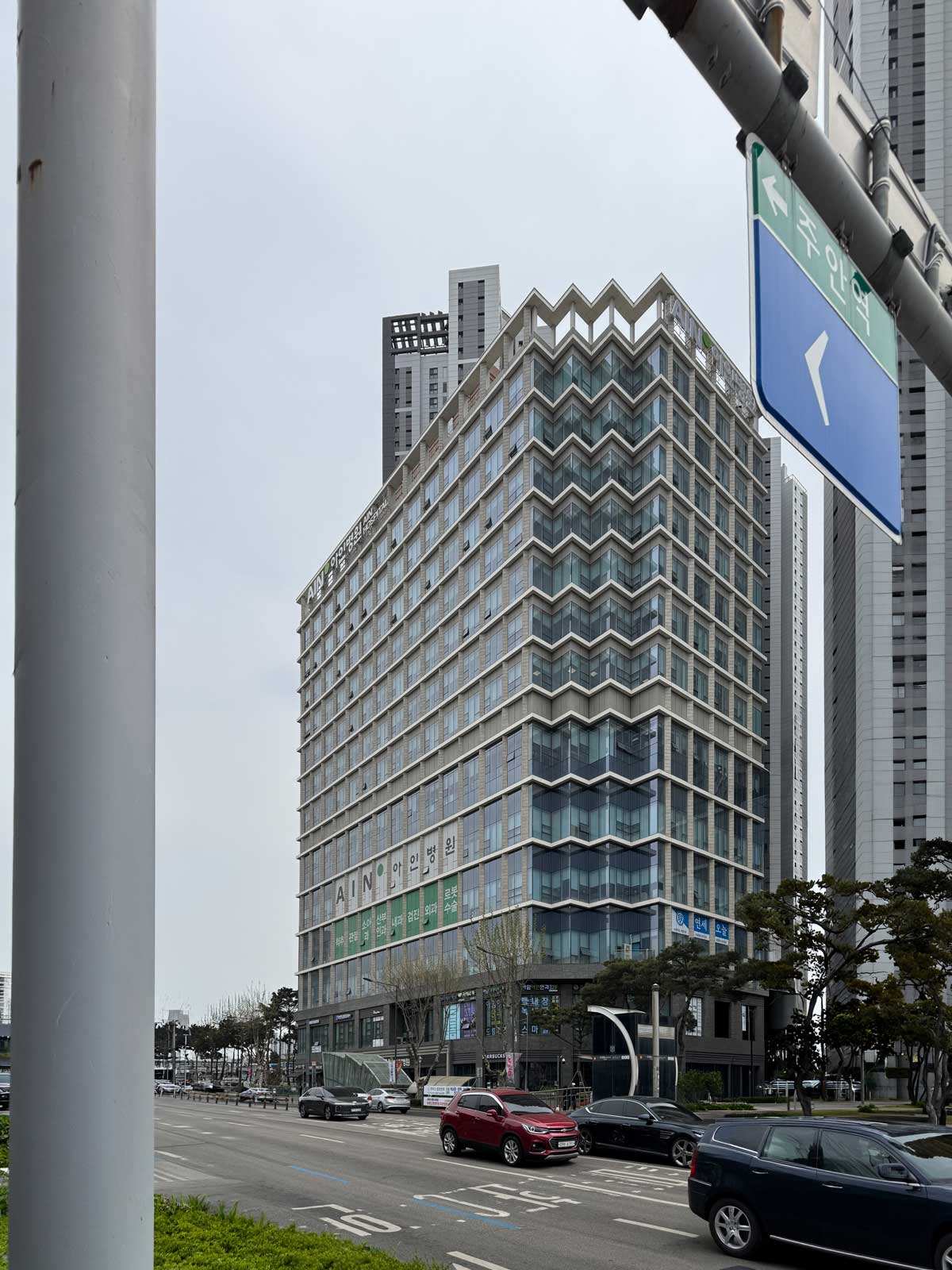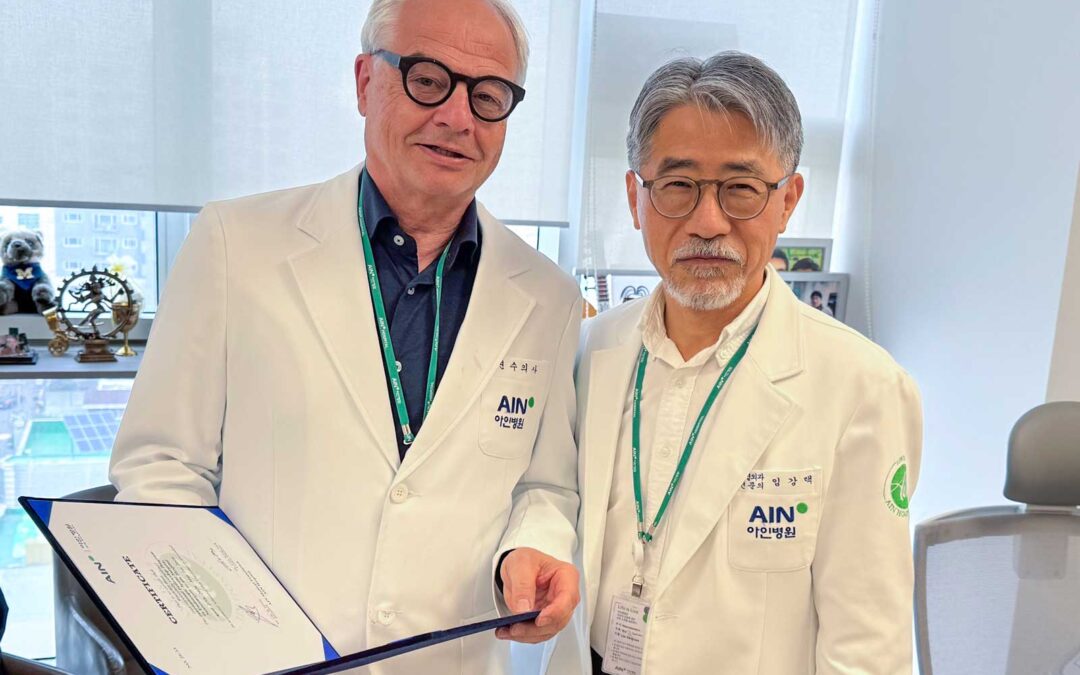
South Korea is considered a global leader in endoscopic spine surgery. During a multi-day fellowship in Seoul, Dr Beat Wälchli gained first-hand insight into why this technique has long been part of everyday surgical practice there. What he observed challenges several common objections to endoscopy – especially one.
Dr Wälchli, you have been using endoscopy, among other techniques, in spinal procedures for almost 20 years now — in other words, the so-called “keyhole technique” — and you are also actively involved in training. You have just returned from a multi-day fellowship in Seoul. Why South Korea?
BW: South Korea has many years of experience in endoscopic spine surgery. While this technique was met with reservations in Europe and the United States for a long time, South Korea — and increasingly other Asian countries as well — has consistently advanced endoscopy. In South Korea, it is now standard practice for many spinal procedures, for example in cases of herniated discs or spinal canal stenosis. That is why they are currently ahead of us in this field.
Does the use of endoscopy in spine surgery differ in Asia compared with Europe?
BW: Fundamentally, no — the techniques are identical. However, because South Korean surgeons have been using endoscopy for many years, they have built up a considerable knowledge advantage over us.
What surprised you — and what inspired you?
BW: I was surprised by the precision with which the endoscopic procedures were performed — and by how quickly they were carried out. A common argument against endoscopy in our part of the world is the supposedly high amount of time required. On site, however, I saw that, thanks to their extensive experience, our South Korean colleagues operate in the same amount of time as we do using microsurgical techniques. The time argument against the use of endoscopy is therefore no longer valid.
The mentality and expectations of patients in Asia are certainly different from those in our region. In your view, what role does that play?
BW: I do not believe that South Korean patients’ expectations regarding the outcome of a procedure differ substantially from those of our patients. First and foremost, they expect the operation to help them. During my stay, I also met several European and American patients who had undergone endoscopic surgery there. Their expectations are probably higher — otherwise, they would hardly make such a long journey.
You also teach advanced courses in endoscopy yourself. Will this trip influence your concept?
BW: Yes, definitely. I would like to pass on the experience I gained during this short period as effectively as possible to younger colleagues. If we want to keep pace with the South Koreans, we need to engage intensively with endoscopy.